
Kingdom
Anyima and surrounding communities in the Bono East Region of Ghana. A community of rich heritage, enduring values, and progressive vision.
About Anyima
Anyima is a community situated within the Anyima Traditional Area. Kintampo South, Bono East Region of Ghana. The community shares cultural and historical ties with neighboring communities in the region.
The people of Anyima are known for their hospitality, rich cultural traditions, and commitment to communal values. Agriculture forms the backbone of the local economy, with farming, trade, and craftsmanship supporting livelihoods in the area.
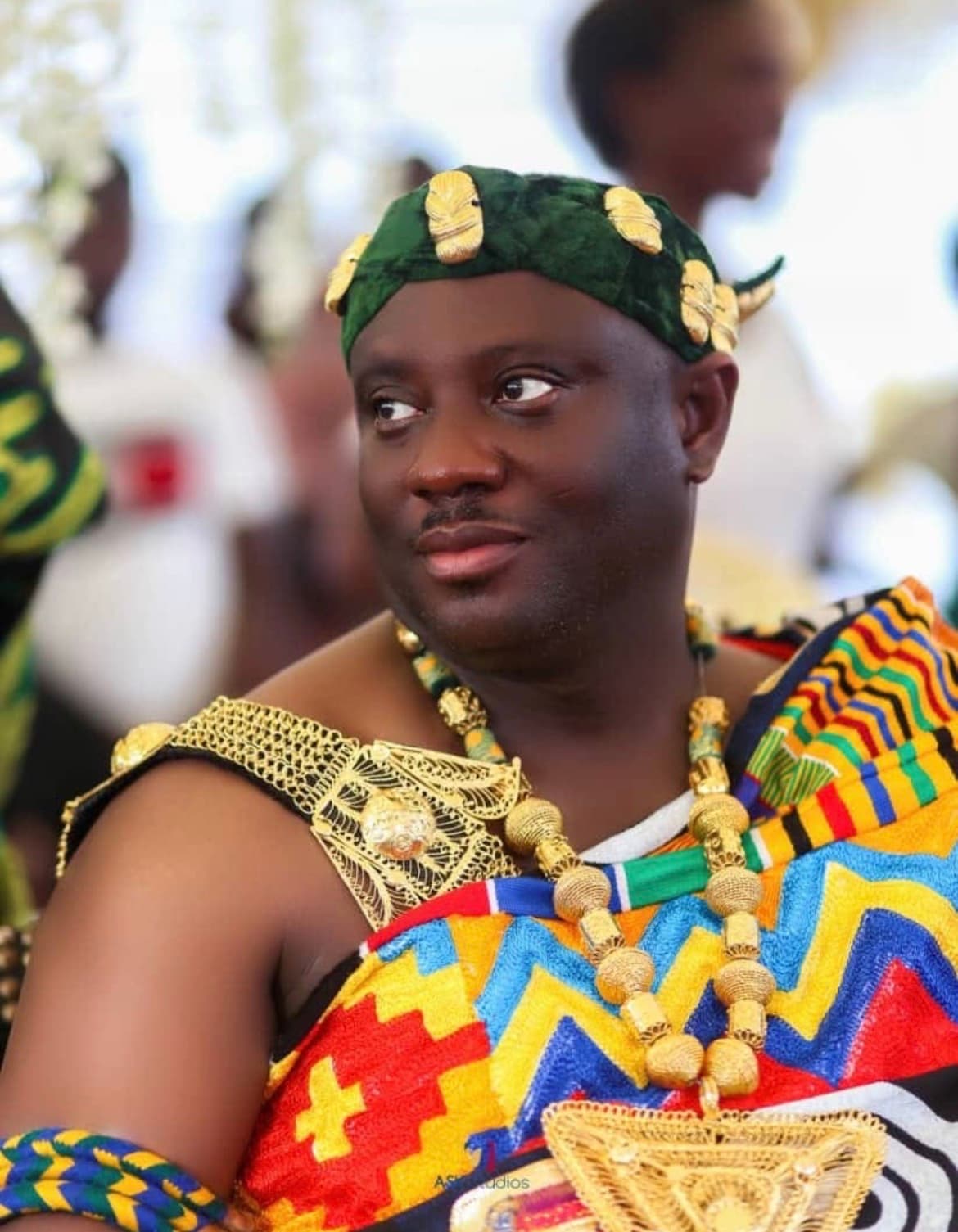
Under the leadership of Obrempong Ameyaw Amponsem II, the community has focused on development initiatives including education, technical training, and environmental sustainability. These efforts aim to improve the quality of life for residents while preserving the cultural heritage that defines the community.
Bono East Region
Anyima · Kintampo South
Cultural Significance
Festivals
The traditional calendar includes important festivals that celebrate harvest, honor ancestors, and reinforce communal bonds. These occasions bring together the people in colorful displays of cultural pride.
Arts and Crafts
The area is home to artistic traditions including weaving, carving, and textile production. These crafts carry symbolic meanings and are integral to ceremonies and daily life.
Language and Oral Tradition
The local language is a vehicle for a rich oral tradition of proverbs, folktales, and historical narratives that transmit wisdom and values across generations.
Music and Dance
Traditional drumming, singing, and dance are essential elements of cultural expression, accompanying ceremonies, celebrations, and social gatherings.
Spirituality
The spiritual life of the community encompasses reverence for ancestors, sacred sites, and traditional practices that coexist with Christianity and other faiths.
Social Structure
The society is organized around clan and family structures, with clearly defined roles, responsibilities, and systems of mutual support that strengthen community resilience.
Development Focus
Under the leadership of Obrempong Ameyaw Amponsem II, Anyima and surrounding communities have pursued development initiatives that address key priorities for the area's future.
Technical and Vocational Education
Recognizing the importance of practical skills for youth employment and economic development, efforts have focused on expanding technical and vocational training opportunities. These programs aim to equip young people with marketable skills that support self-sufficiency and contribute to local economic growth.
Environmental Sustainability
Environmental stewardship is a priority, with initiatives promoting afforestation and sustainable land use practices. The potential for ecotourism has been identified as a pathway for economic development that preserves natural resources for future generations.
Infrastructure and Services
Ongoing efforts seek to improve infrastructure including roads, access to clean water, and community facilities. These improvements support daily life and enable economic activity in the area.
Healthcare Access
Improving access to healthcare services remains a priority, with initiatives focused on supporting health facilities and conducting health awareness campaigns in the community.
Traditional Governance
The governance of Anyima follows traditional structures rooted in Akan custom and practice. The chief, currently Obrempong Ameyaw Amponsem II, serves as the community's traditional leader and custodian of the stool.
The Stool
In Akan tradition, the stool represents the authority and continuity of traditional leadership. The chief occupies the stool and serves as the link between the community and its ancestors, embodying the collective identity of the people.
Elders and Advisors
The chief is supported by a council of elders who advise on community matters and help ensure decisions reflect the interests and values of the people. This collective approach to governance reflects the Akan principle that wisdom resides in counsel.
The Role of Queen Mothers
Queen mothers hold esteemed positions in traditional governance. They serve as custodians of lineage, advisors to chiefs, and advocates for women and children. Their role in the selection and guidance of chiefs is essential to the system.
Relationship with Modern Government
Traditional authority works alongside the modern administrative and political structures of Ghana. Government institutions collaborate with traditional leaders to address community needs and implement development programs in the Anyima Traditional Area. Kintampo South.
Strategic Priorities
Education & Skills Development
Expanding access to quality education and technical training that creates employment pathways and economic opportunity.
Infrastructure & Services
Improving roads, water access, healthcare facilities, and community infrastructure that supports daily life and economic activity.
Environmental Stewardship
Promoting afforestation, sustainable land use, and conservation practices that preserve natural resources for future generations.
Economic Development
Supporting local enterprise, agriculture value chains, and trade opportunities that create jobs and improve livelihoods.
Healthcare Access
Improving access to healthcare services, supporting health facilities, and conducting awareness campaigns that promote community wellbeing.
Cultural Preservation
Honoring and maintaining traditional practices, festivals, arts, and values that strengthen community identity and continuity.
Doing Business & Visiting
Partnership Opportunities
Explore respectful pathways for businesses, investors, and organizations to engage with development opportunities.
Learn moreVisiting the Area
Planning a visit? Contact the Kingdom Office for guidance on respectful engagement, cultural protocols, and local arrangements.
Contact the OfficeProjects in Focus
Current development initiatives across the jurisdiction

Community Lighting Initiative
Solar-powered street lighting project improving safety and extending productive hours in communities through the installation of energy-efficient lighting systems.

School Infrastructure Enhancement
Comprehensive programme to improve school infrastructure including classroom construction, library development, computer lab installation, and provision of educational materials across schools in the traditional area.

Agricultural Development Support
Comprehensive agricultural support programme including farmer training, access to improved seeds and inputs, market linkages, and support for value addition and processing.

Technical Skills Training Centre
A state-of-the-art vocational training facility providing comprehensive skills training in carpentry, masonry, electrical work, plumbing, and tailoring for youth in the traditional area.

Healthcare Outreach Programme
Comprehensive mobile healthcare programme bringing essential medical services, health screenings, vaccinations, and health education directly to communities across the traditional area.

Digital Literacy and ICT Training
Comprehensive digital literacy and information communication technology training programme for youth and adults, providing essential computer skills and access to digital resources.